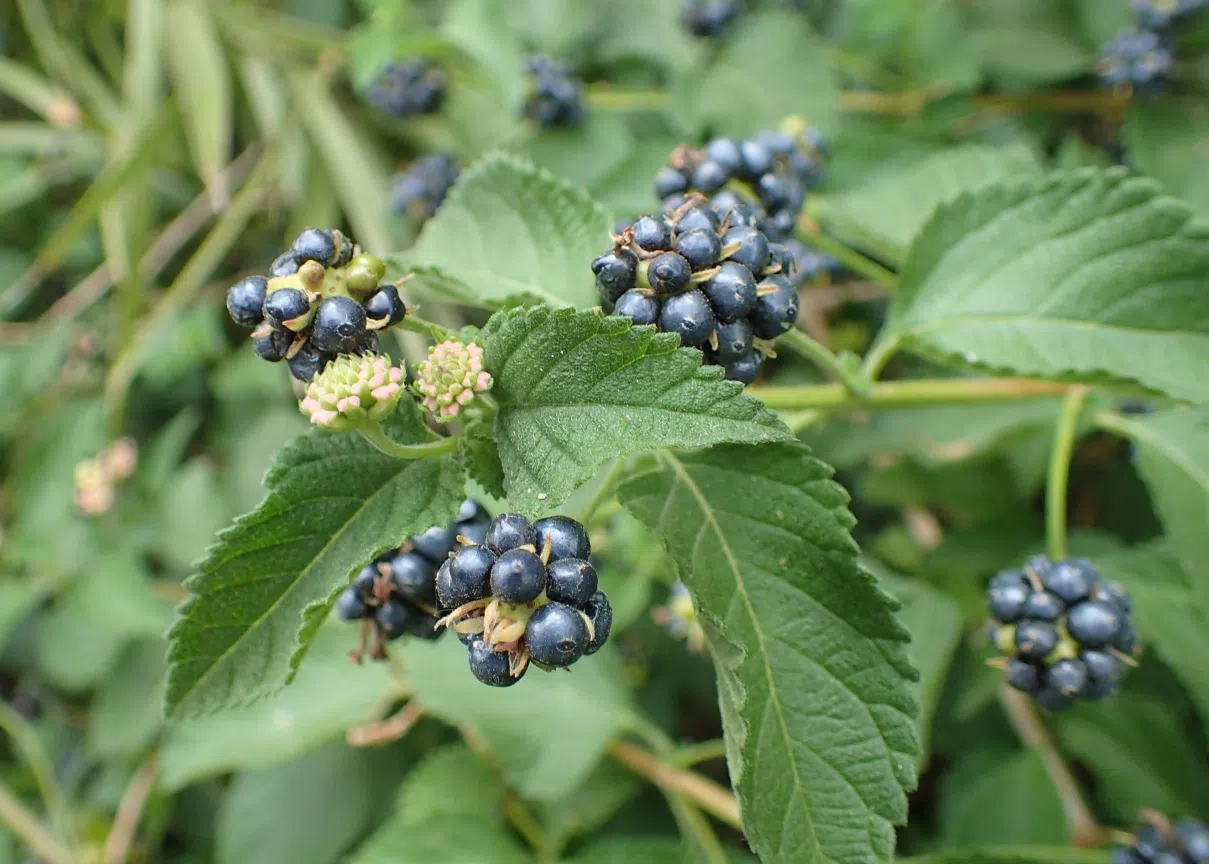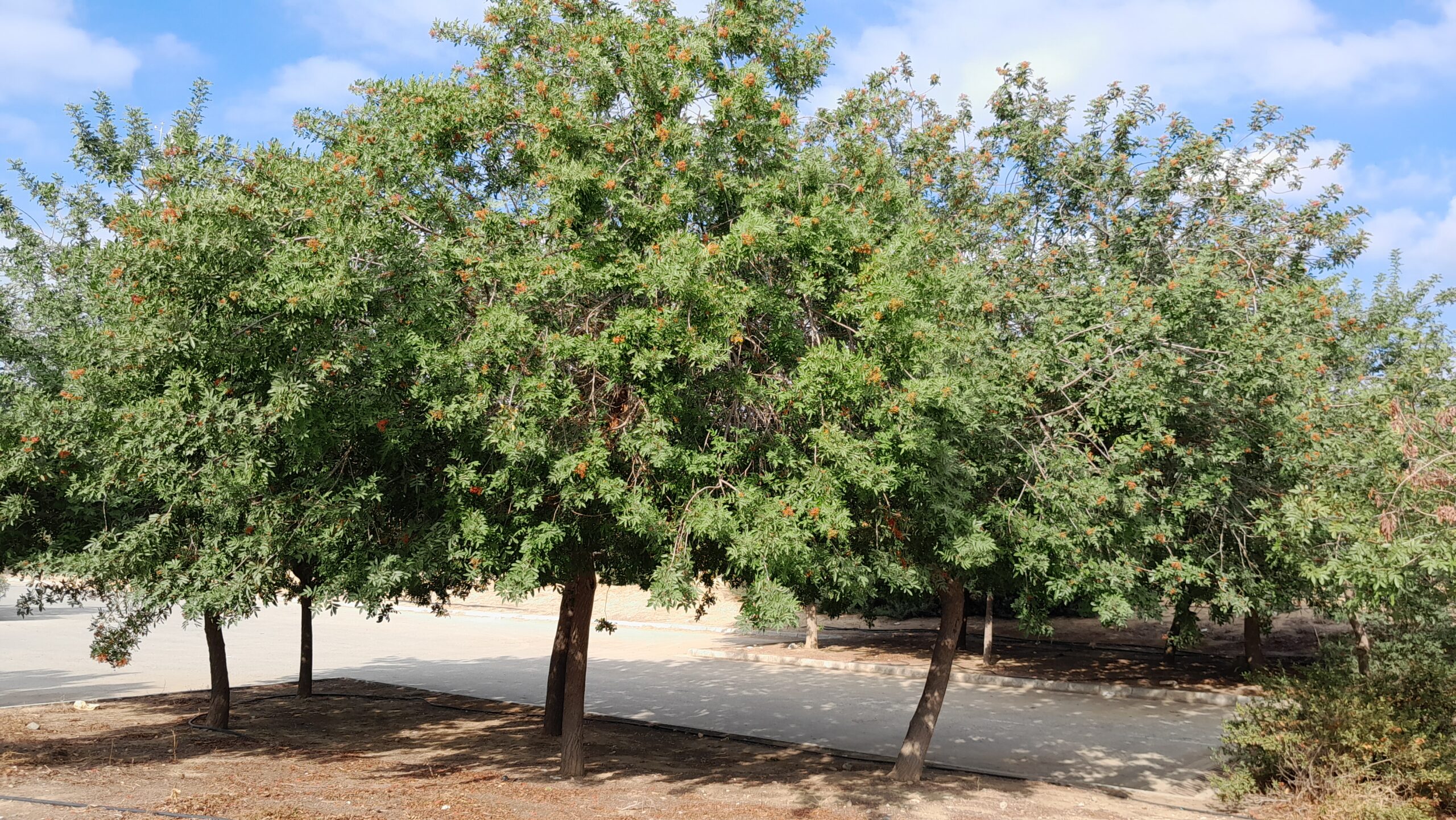
Terebinth Pistacia terebinthus fruit

Terebinth

Τρεμιθκιά

melengiç

Scientific Name: Pistacia terebinthus

other names: τριμιθκιά, turpentine tree, Palestine Pistachio

AVAILABLE: SEP-OCT

EDIBLE PARTS:

Description

preparation

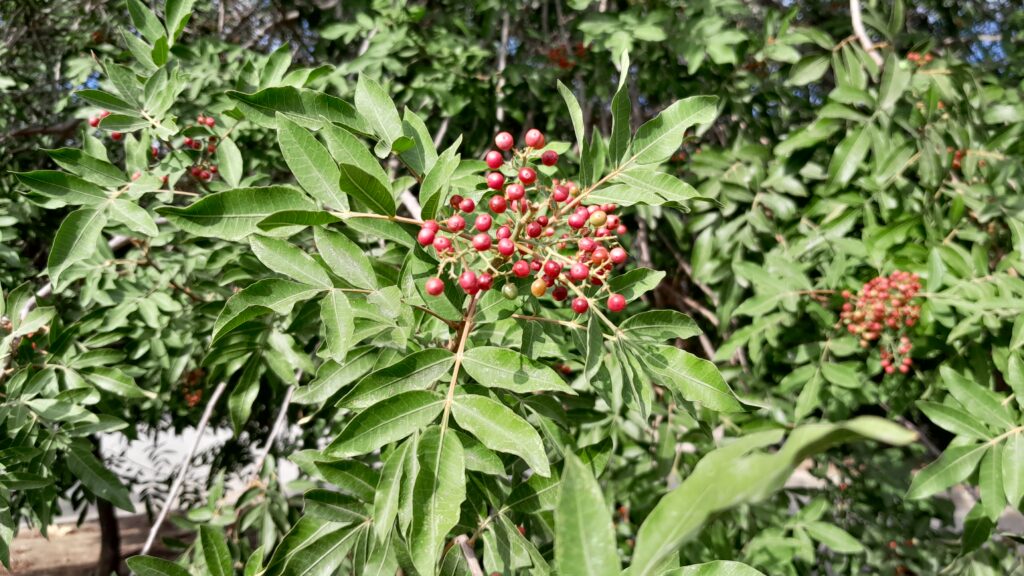
  1.  The fruit can be eaten raw, they are small, round, and turn from green to red as they ripen.
  2. They have a thin outer skin and a fleshy interior.
  3. The taste is slightly sweet and nutty
  4. Dry roast the fruit and grind to a powder for a ‘coffee’ drink
  5. the young shoots can be cooked
  6. the trunk can be scratched to allow a resin to slowly drip out, the chewing gum is named “pissa pafitiki”

extra info

Pistacia lentiscus and Pistacia terebinthus are similar in appearance, which can make it difficult to distinguish them from each other.

Pistacia lentiscus has smaller, lance-shaped leaves that are glossy and dark green

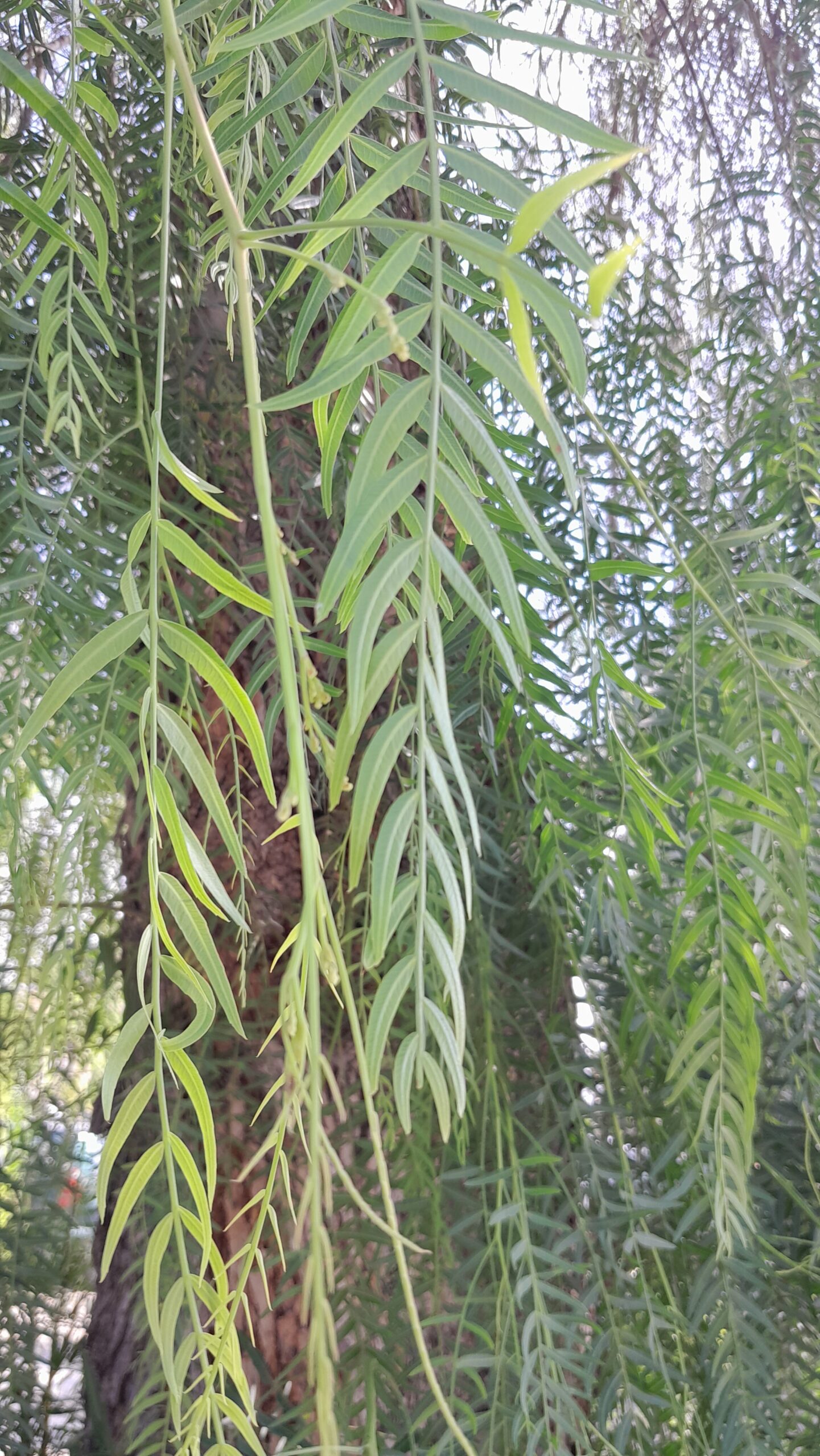
Pistacia terebinthus has larger, elliptical leaves that are lighter green and more hairy.

Pistacia lentiscus produces small red berries and Pistacia terebinthus produces small, elongated fruit clusters that resemble grapes.

Pistacia terebinthus has smooth, grayish-brown bark.

Pistacia lentiscus has rough, fissured bark.

Also available in

May

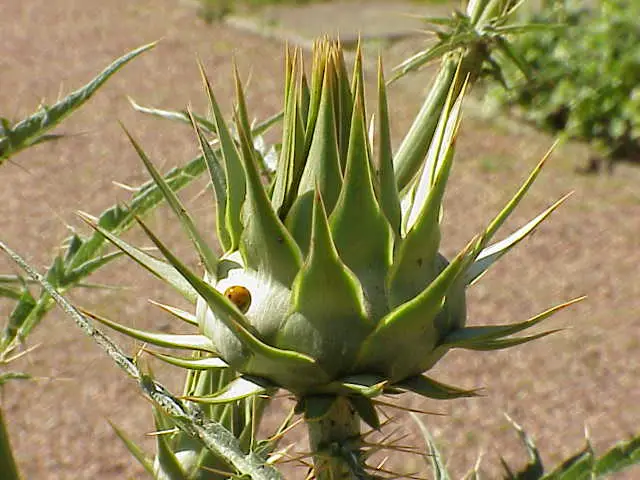
Silifa - Gundelia tournefortii

Silifa

Σίλλυφα
Anadolu Kengerotu

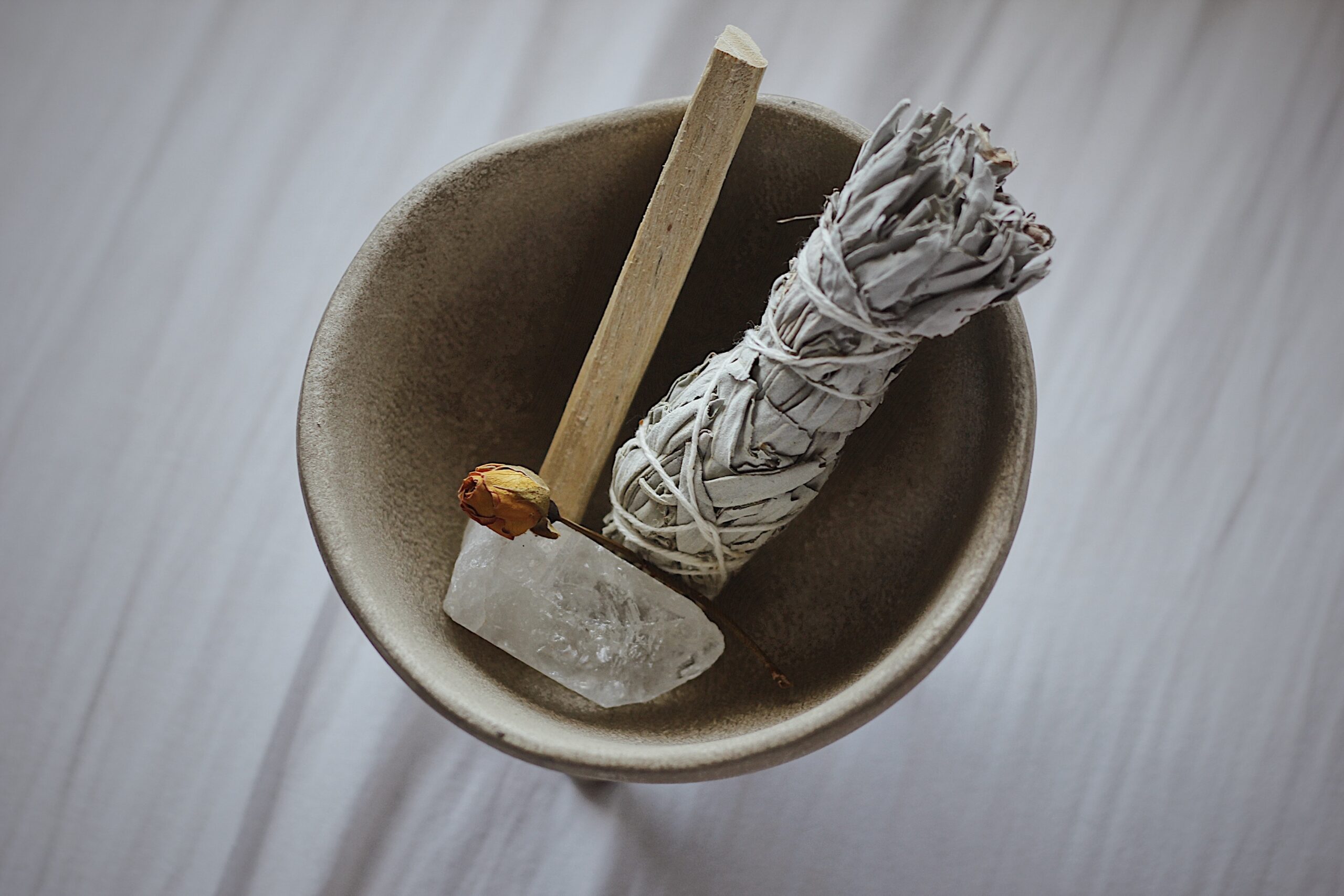
Sage

Σπατζιά
Adaçayı

Salsify, Tragopogon porrifolius, flower head

Salsify

Καλακατσούνα
Çayır Teke Sakalı

recipes

forage food by:

Generic selectors
Exact matches only
Search in title
Search in content
Post Type Selectors
post
page
𐠣𐠄 𐠞𐠪𐠐𐠄𐠩 𐠨𐠭𐠪𐠎𐠡𐠦𐠩 𐠊𐠩𐠀𐠡𐠰𐠑𐠩 𐠁𐠭 𐠔𐠕𐠜𐠩 𐠀𐠚𐠄 𐠖𐠪𐠰𐠚 𐠊𐠨𐠞𐠂 𐠁𐠄𐠳𐠤𐠭𐠨𐠱 𐠒𐠂 𐠊𐠩 𐠰𐠂𐠩 𐠊𐠪𐠋𐠚𐠰𐠂𐠩 𐠀𐠯𐠰𐠖𐠪𐠰𐠚 𐠊 𐠀𐠣𐠎𐠦𐠚 𐠰𐠮 𐠰𐠭𐠏𐠰𐠚 𐠞𐠪𐠐𐠄𐠩 𐠊𐠩 𐠀𐠡𐠰 𐠰𐠛𐠰𐠂 𐠁𐠐𐠂 𐠰𐠊𐠣𐠄𐠃𐠕𐠜𐠚 𐠃𐠊𐠰𐠩 𐠀𐠏𐠵

References