foraging food

roots, rhizomes & bulbs

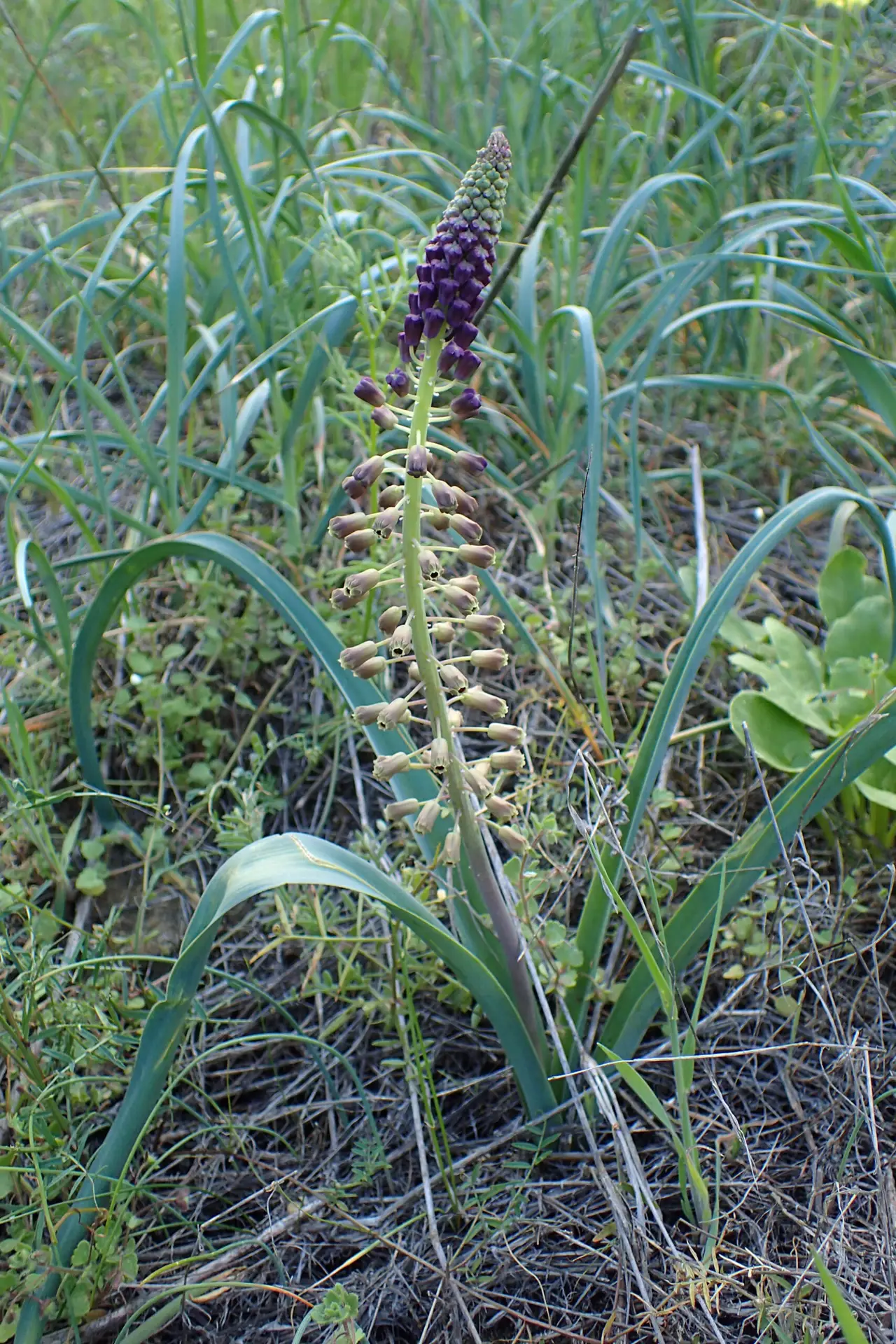
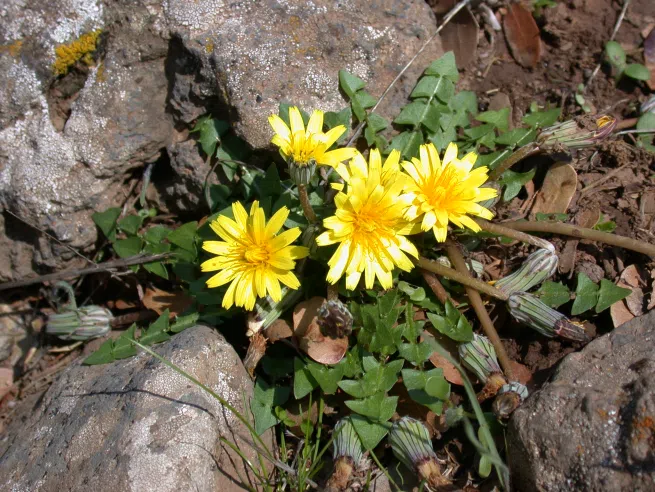
Foraging for roots, bulbs, and rhizomes can provide a nutritious and delicious addition to your diet. Some examples of edible plants with edible roots, bulbs, and rhizomes include burdock, dandelion, cattails, and wild onions.

When foraging for these plants, ensure that you are positively identifying the plant and that it is safe to eat. Some plants, such as the poison hemlock, can be potentially toxic, and it’s important to avoid consuming them.

Once you have harvested the roots, bulbs, or rhizomes, you can prepare them in a variety of ways. You can peel and slice them thinly and fry them to make chips or use them in soups and stews. They can also be roasted or baked and served as a side dish or snack.

The  team here at Wild One Cyprus are not agreed that foraging for roots, bulbs, and rhizomes is sustainable.

Exercise restraint, respect for the ecology and common sense. Pulling a plant from its root, rhizome or bulb before it has a chance to reproduce effectively ends its productive life.

In some cases the bulb is best foraged before it has flowered. We would welcome suggestions and comments about this subject.

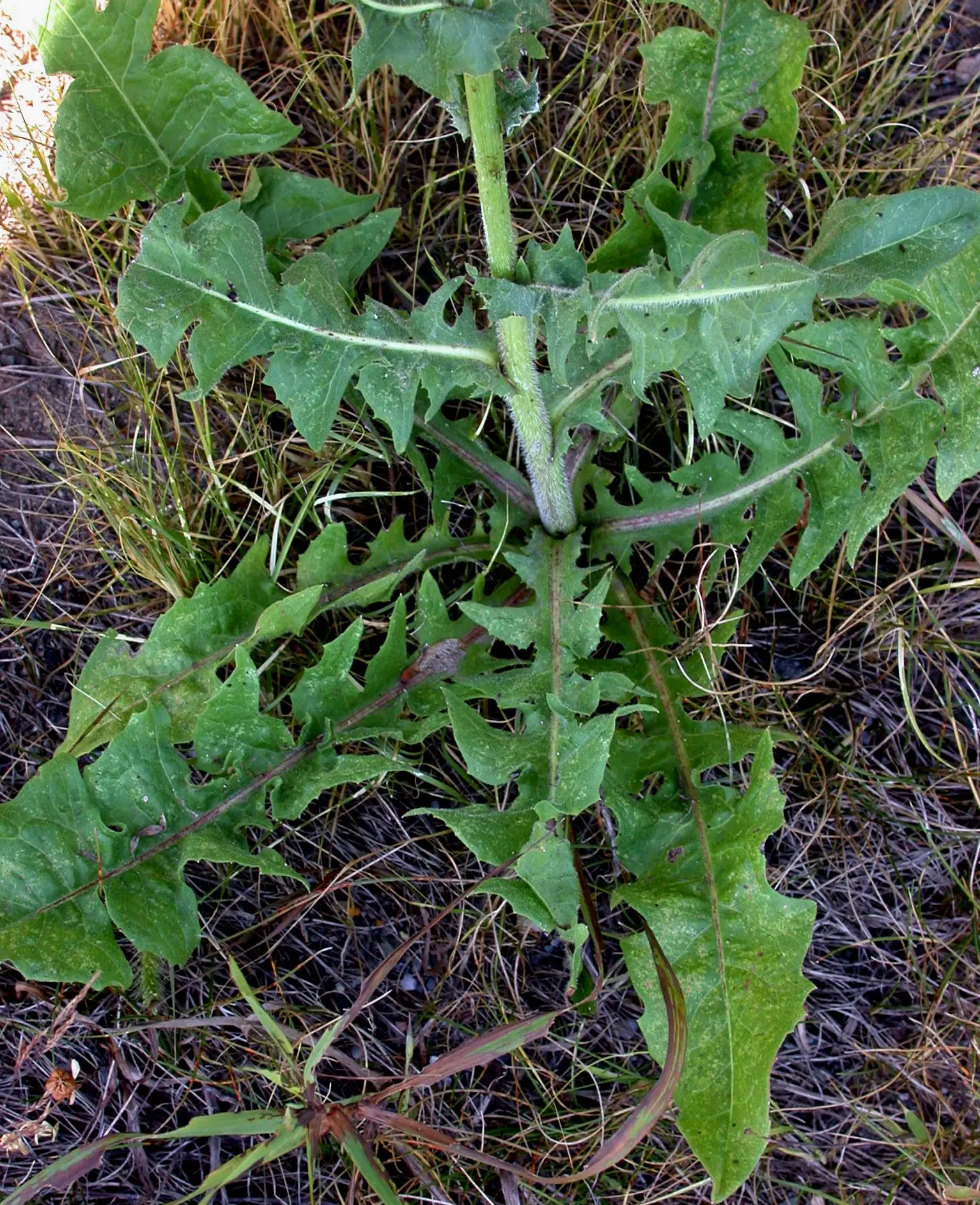
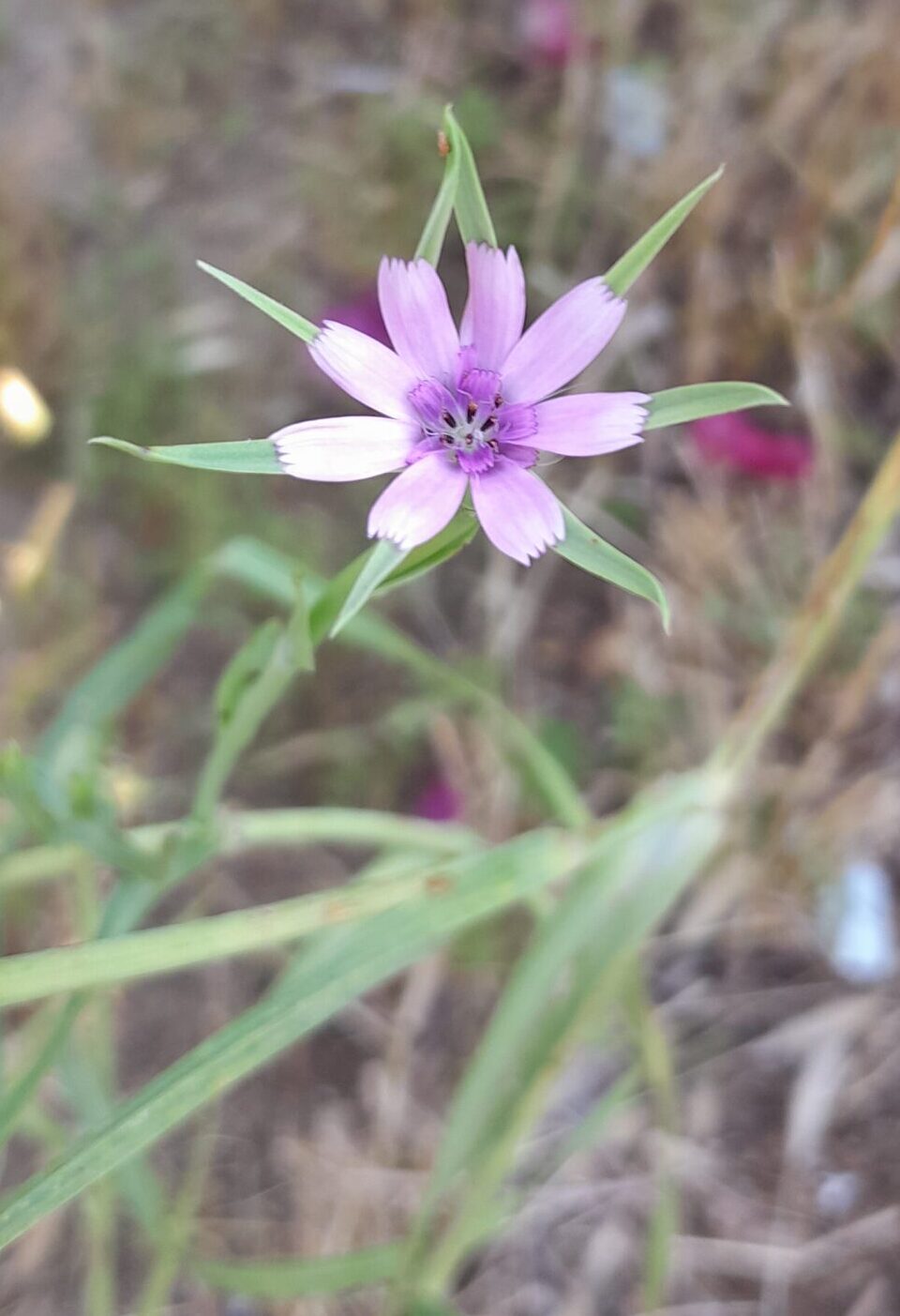
Salsify, Tragopogon porrifolius, flower head

Salsify

Καλακατσούνα
Çayır Teke Sakalı

forage food by:

Generic selectors
Exact matches only
Search in title
Search in content
Post Type Selectors
post
page
𐠣𐠄 𐠞𐠪𐠐𐠄𐠩 𐠨𐠭𐠪𐠎𐠡𐠦𐠩 𐠊𐠩𐠀𐠡𐠰𐠑𐠩 𐠁𐠭 𐠔𐠕𐠜𐠩 𐠀𐠚𐠄 𐠖𐠪𐠰𐠚 𐠊𐠨𐠞𐠂 𐠁𐠄𐠳𐠤𐠭𐠨𐠱 𐠒𐠂 𐠊𐠩 𐠰𐠂𐠩 𐠊𐠪𐠋𐠚𐠰𐠂𐠩 𐠀𐠯𐠰𐠖𐠪𐠰𐠚 𐠊 𐠀𐠣𐠎𐠦𐠚 𐠰𐠮 𐠰𐠭𐠏𐠰𐠚 𐠞𐠪𐠐𐠄𐠩 𐠊𐠩 𐠀𐠡𐠰 𐠰𐠛𐠰𐠂 𐠁𐠐𐠂 𐠰𐠊𐠣𐠄𐠃𐠕𐠜𐠚 𐠃𐠊𐠰𐠩 𐠀𐠏𐠵

References