Salvia fruticosa GREEK SAGE
Salvia willeana kz2

sage

Σπατζιά

adaçayı

Scientific Name: Salvia fruticosa, Salvia willeana

other names: Χαχομηλιά, Faskomilia, three-leafed sage, Three-lobed Sage, Greek Sage

AVAILABLE: FEB-OCT

EDIBLE PARTS:

Description

preparation

  1. pick the leaves and flowers for use in cooking
  2. Steep leaves and flowers in boiling water for tea
  3. Tie in bunches and hang upside down to dry 

extra info

There are several varieties of Sage in Cyprus: Salvia aethiopis, Salvia dominica, Salvia hierosolymitana, Salvia lanigera, Salvia pinnata, Salvia sclarea, Salvia veneris
Salvia verbenaca and Salvia viridis.

They all have aromatic and flavourful leaves.

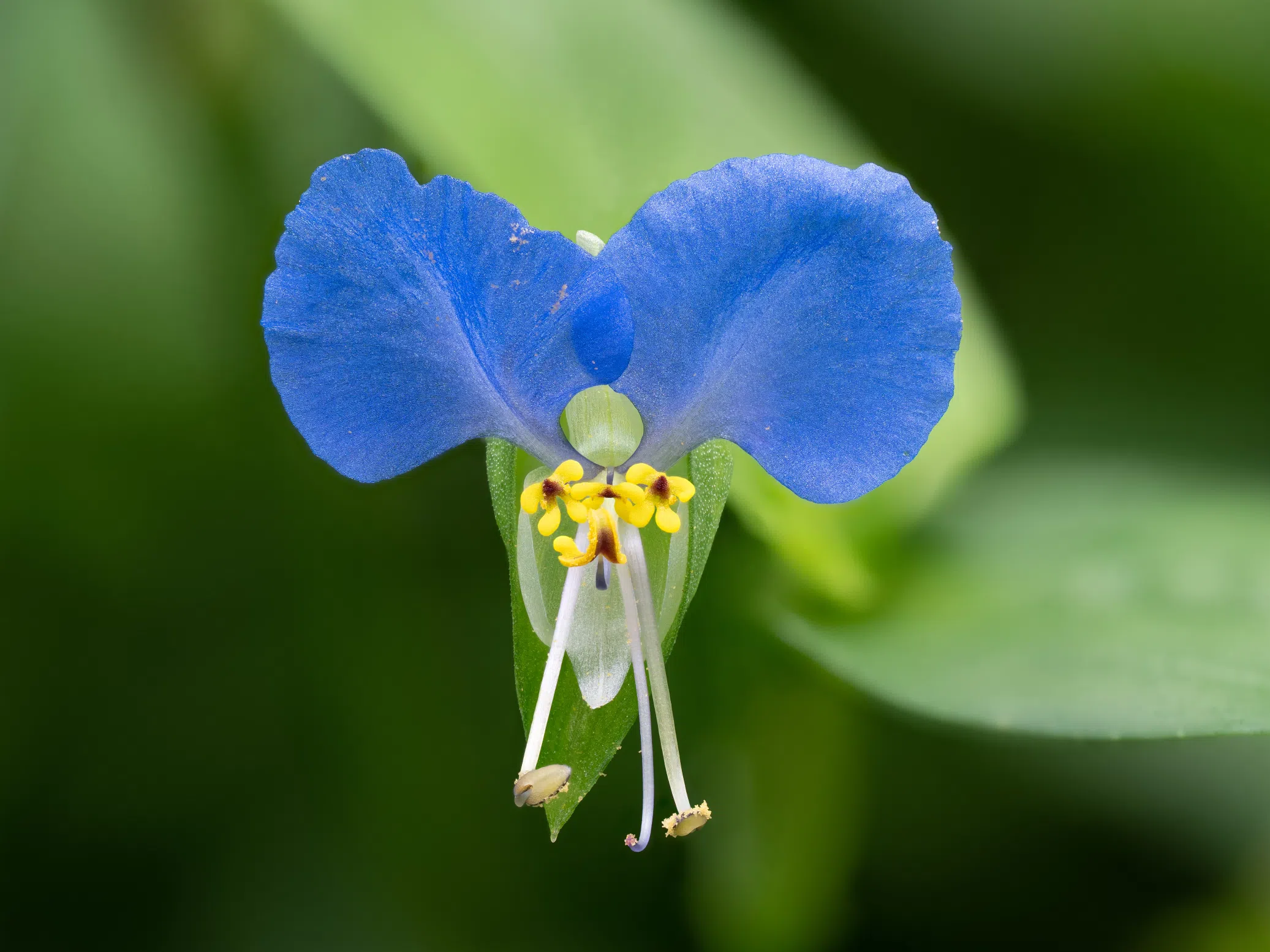
Calyx

The Calyx are the sepals of a flower. The sepals are petal/leaf structures that form a protective layer around a flower bud.

When the flower opens, the calyx is the part thats holds the flower to the stem.

Salvia fruticosa
The calyx is 6-10 mm long, shown in dark green. The leaves have three lobes, a leathery texture, highly aromatic with a strong flavour.

Salvia willeana
The calyx is 10-14 mm long, shown in dark brown and yellow. The leaves are smaller, soft, hairy with a milder and slightly sweeter flavour. This variety is often used in teas, infusions, and as a garnish for salads or desserts.

Also available in

April

Silifa - Gundelia tournefortii

Silifa

Σίλλυφα
Anadolu Kengerotu

Thistle - Cirsium vulgare

Thistle

Γαουράγκαθο
Yaygın Kangal

Sage

Σπατζιά
Adaçayı

Salsify, Tragopogon porrifolius, flower head

Salsify

Καλακατσούνα
Çayır Teke Sakalı

recipes

forage food by:

Generic selectors
Exact matches only
Search in title
Search in content
Post Type Selectors
post
page
𐠣𐠄 𐠞𐠪𐠐𐠄𐠩 𐠨𐠭𐠪𐠎𐠡𐠦𐠩 𐠊𐠩𐠀𐠡𐠰𐠑𐠩 𐠁𐠭 𐠔𐠕𐠜𐠩 𐠀𐠚𐠄 𐠖𐠪𐠰𐠚 𐠊𐠨𐠞𐠂 𐠁𐠄𐠳𐠤𐠭𐠨𐠱 𐠒𐠂 𐠊𐠩 𐠰𐠂𐠩 𐠊𐠪𐠋𐠚𐠰𐠂𐠩 𐠀𐠯𐠰𐠖𐠪𐠰𐠚 𐠊 𐠀𐠣𐠎𐠦𐠚 𐠰𐠮 𐠰𐠭𐠏𐠰𐠚 𐠞𐠪𐠐𐠄𐠩 𐠊𐠩 𐠀𐠡𐠰 𐠰𐠛𐠰𐠂 𐠁𐠐𐠂 𐠰𐠊𐠣𐠄𐠃𐠕𐠜𐠚 𐠃𐠊𐠰𐠩 𐠀𐠏𐠵

References